Image 1 of 1
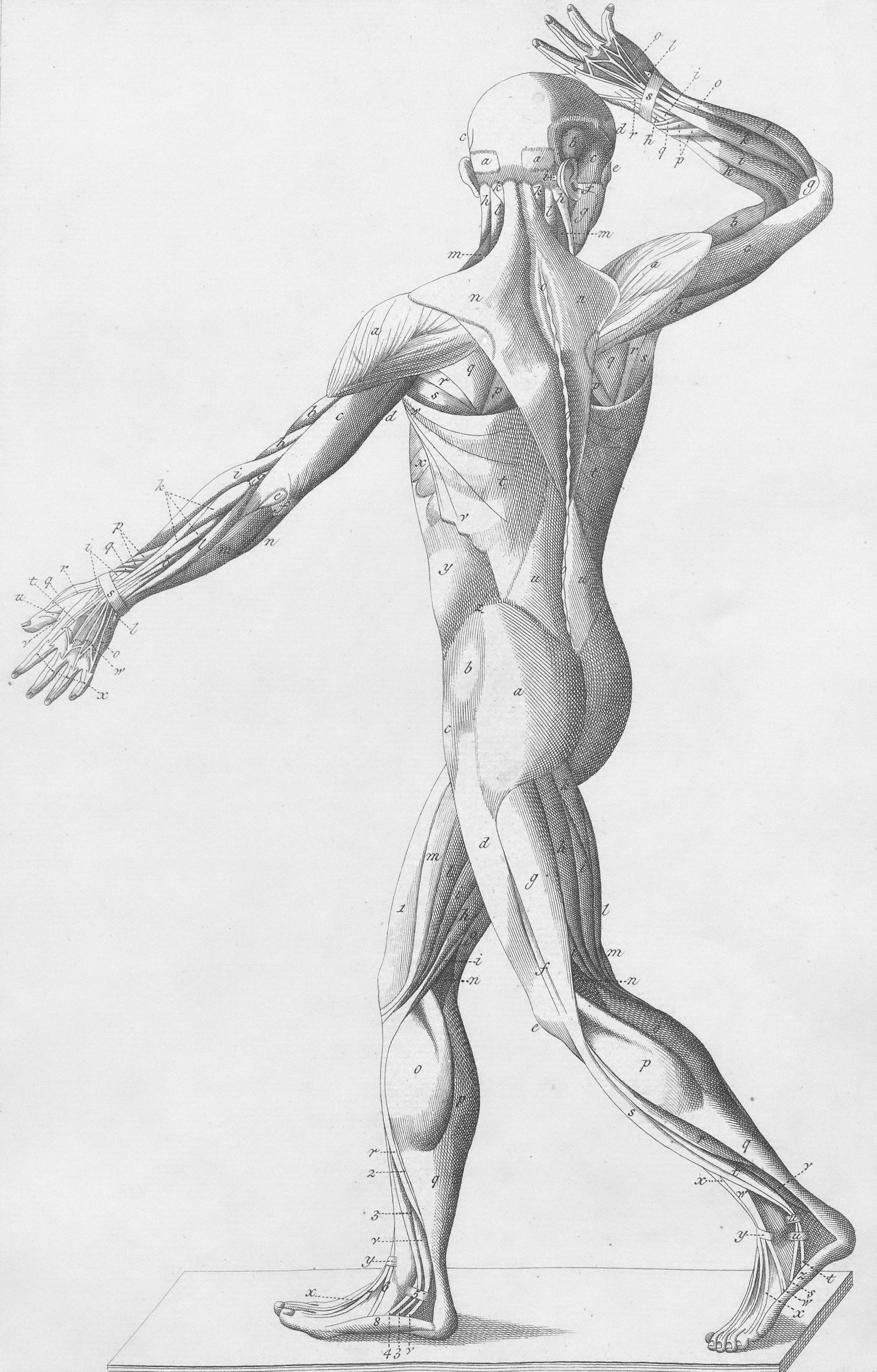
Discover the core distinction that shapes all human plyometrics. In this concise working paper, Coach Barr explains how backside (posterior-chain) mechanics form an involuntary, elastic, gravity-driven system—while frontside mechanics rely on voluntary, muscular effort. The key switch? Heel vs. forefoot organization.
Learn why heel-driven gait unlocks the body’s natural plyometric sequence—Stretch → Stretch → Lift-Off → Shorten—and how this architecture underlies effortless, elastic movement. A clear, fundamental framework for coaches, clinicians, and movers rethinking how plyometrics truly work.
Discover the core distinction that shapes all human plyometrics. In this concise working paper, Coach Barr explains how backside (posterior-chain) mechanics form an involuntary, elastic, gravity-driven system—while frontside mechanics rely on voluntary, muscular effort. The key switch? Heel vs. forefoot organization.
Learn why heel-driven gait unlocks the body’s natural plyometric sequence—Stretch → Stretch → Lift-Off → Shorten—and how this architecture underlies effortless, elastic movement. A clear, fundamental framework for coaches, clinicians, and movers rethinking how plyometrics truly work.